
Merino Wool vs Synthetic Scarves: Which Is Better?
Quick Summary
Merino wool scarves are the better choice for most people who want everyday warmth, soft skin contact and long-lasting wear. Synthetic scarves suit buyers on a tighter budget or anyone who needs a scarf for rough, heavy outdoor use.
- Merino's crimped fibres trap air, so a light merino scarf can feel warmer than a heavier synthetic one.
- Fine merino is soft against the neck and face, though very coarse wool can still irritate some people.
- Merino is generally breathable and rarely feels stuffy, while synthetic knits can trap heat more readily.
- Acrylic, the most common synthetic, can pill and lose its shape after repeated wear.
- Hand wash merino in cool water with wool-specific detergent, then dry it flat away from heat and sunlight.
Table of Contents
How Merino Wool and Synthetic Scarves Differ
Merino wool scarves and synthetic scarves can look similar, but they can behave quite differently once you wear them. Merino is a natural fibre spun from the fine coat of merino sheep, while synthetic scarves are usually made from polyester, acrylic or nylon. For a buyer in Australia, that difference shapes how warm the scarf feels, how it handles damp weather and how long it lasts. The short answer is that merino suits most people for everyday wear, while synthetics suit a tighter budget or very rough use. This guide from Scarves Australia breaks down the trade-offs so you can choose with confidence.
Last Updated: November 21, 2026
Knowing the basic differences helps you compare any two scarves fairly. Merino fibres are fine and crimped, which traps air and gives natural insulation. Synthetic fibres are smooth, uniform and manufactured, which makes them easy to produce in bright colours at low cost. Neither is automatically better. Merino generally costs more and needs more careful washing, but it breathes well. Synthetics are generally cheaper and dry quickly, but they can feel scratchy. A useful way to decide is to ask what you need the scarf to do most often.
Warmth and Insulation: Which Material Keeps You Warmer?
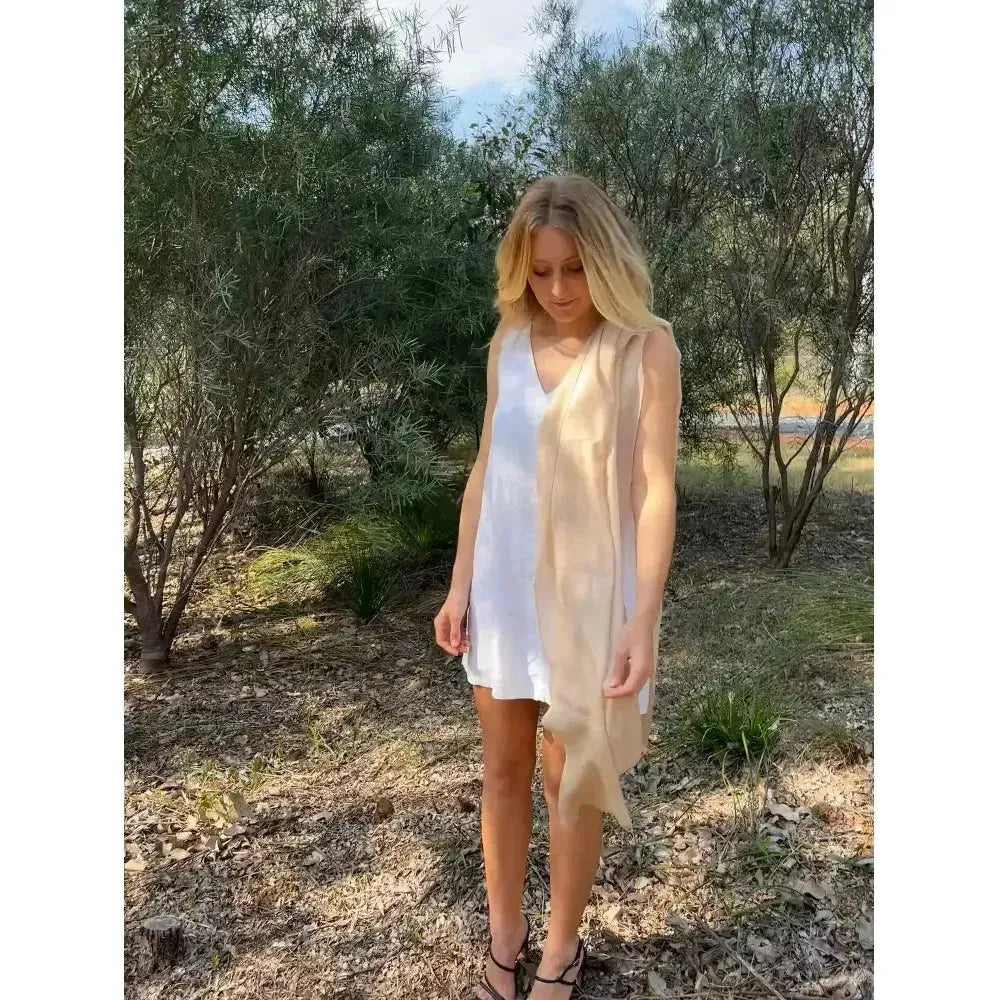
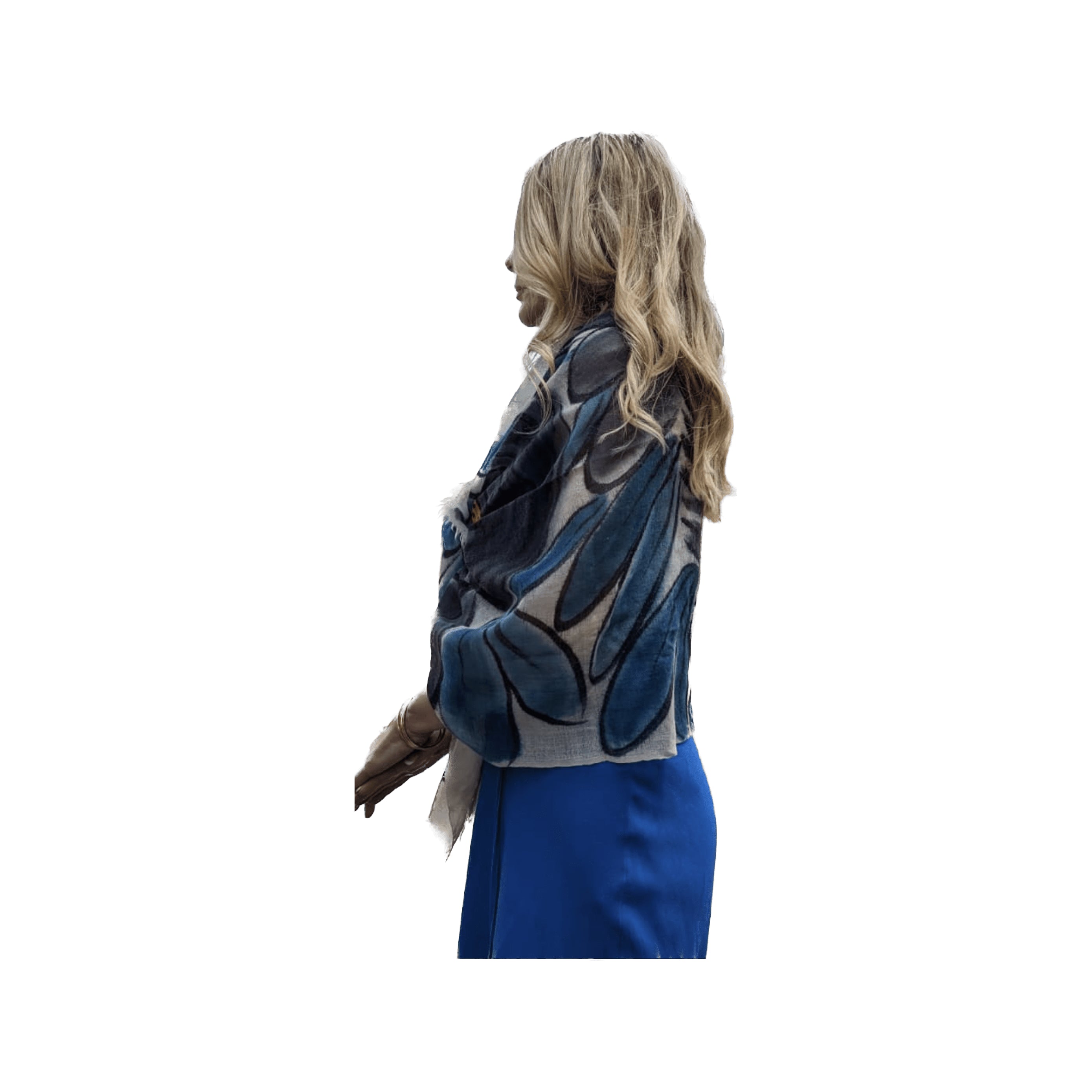
For cold days, merino wool scarves usually win. Its crimped fibres hold pockets of still air, which slows heat loss without adding bulk. A lightweight merino scarf can feel warmer than a much heavier synthetic one. Synthetic scarves can be very warm if they are knitted thickly, but they tend to need more weight to achieve the same effect. The Shadow Mist Pure Wool Ombre Shawl, priced at $169.00 AUD, is a fine wool shawl that is light enough to layer. Browse scarves by material to compare wool, cashmere and cotton linen options.
Softness, Itch and Choosing a Scarf for Sensitive Skin
Skin comfort is where many buyers notice the biggest gap. Fine merino is soft against the neck and face, although very coarse wool can still irritate some people. Synthetic fibres are generally smooth but can feel stiff or static-prone. If you have sensitive skin, look for finely spun fibres and test the scarf against your cheek or the inside of your wrist before committing. The Pure Fine Wool Scarf Floral - Teal Scarf Shawl, at $189.00 AUD, is a good example of a fine wool piece designed to sit gently against the skin. View this teal floral shawl to see it up close.
Moisture, Breathability and Performance in Damp or Windy Weather
Merino handles moisture well and is generally breathable. Synthetics are generally quicker to dry, which makes them practical for very active days. Breathability also differs. Merino lets air move through the knit, so it rarely feels stuffy. Synthetic knits can trap heat more readily. In windy conditions, a tightly woven scarf of either material will block more air, so fabric weight matters more than the fibre alone.
Merino Wool vs Acrylic Scarf: Durability, Pilling and Lifespan
Acrylic is the most common synthetic scarf fibre, and it is the one most often compared with merino. Acrylic is generally inexpensive, but it can pill and lose its shape after repeated wear. Merino is generally durable when cared for properly, though fine knits can snag with rough friction.
How to Wash a Merino Wool Scarf and Keep It Looking New
Caring for merino is simple if you are gentle. Follow the full hand-wash guide for keeping a fine wool or pashmina scarf soft and preventing felting. Hand wash in cool water with a wool-specific detergent, avoid wringing, and press the scarf between towels to remove moisture. Dry it flat, away from direct heat and sunlight. Store it folded rather than hung, since hanging can stretch the knit. Synthetic scarves can usually go in a gentle machine cycle, but they still benefit from air drying. Following these steps can help protect a merino scarf's softness over time.
Choosing Your Next Scarf by Use Case and Budget
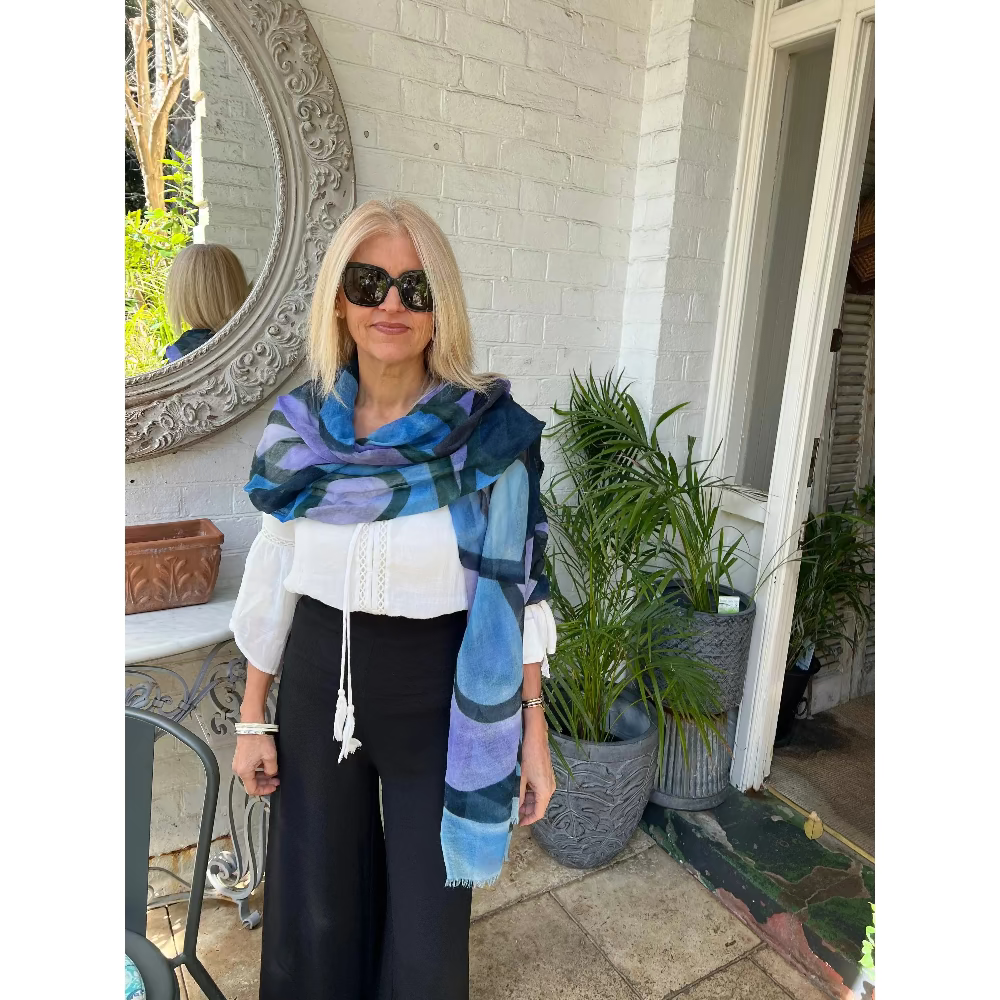
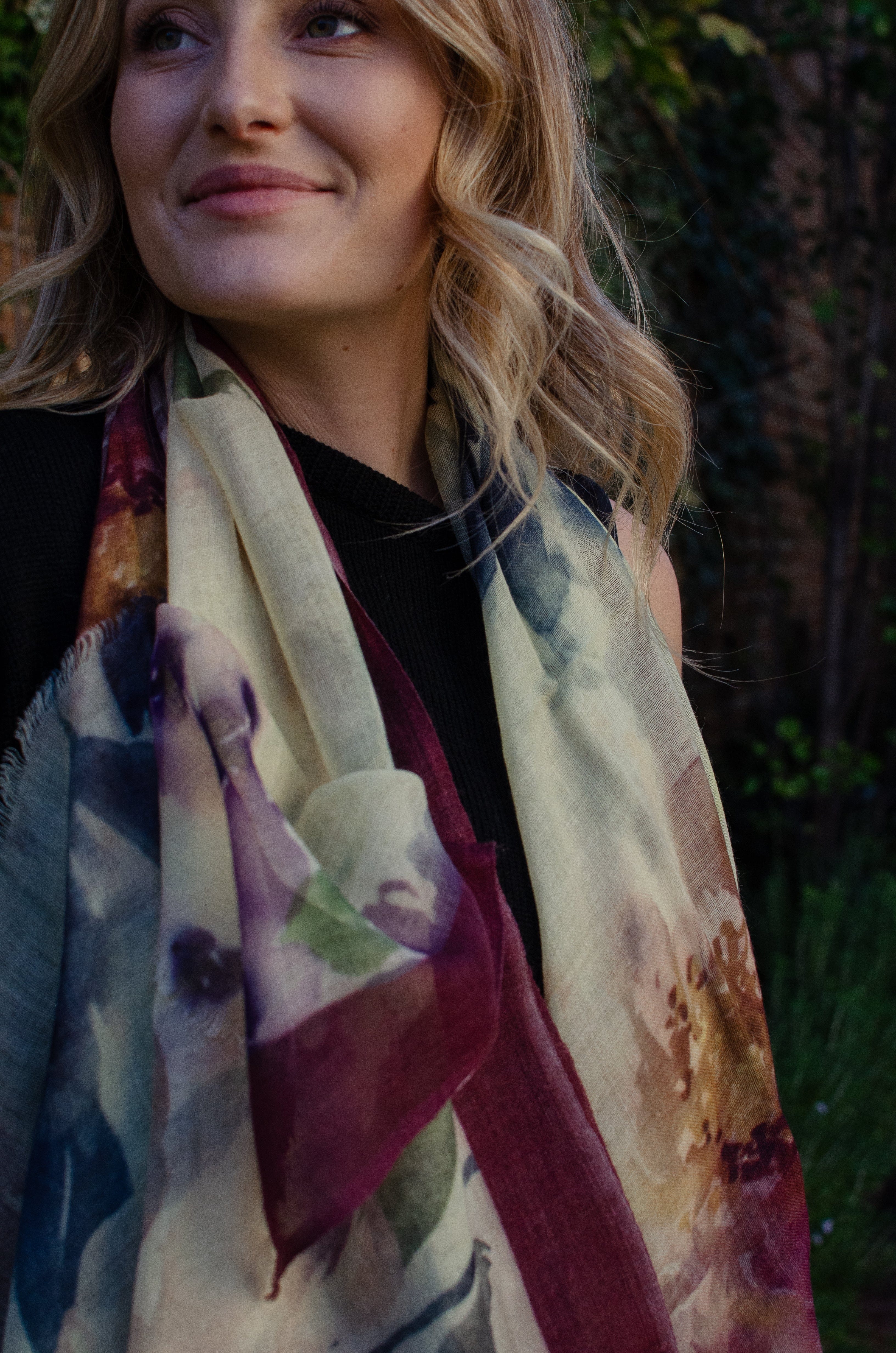
Choose merino if you want natural warmth, comfortable skin contact and a scarf you will wear for years. If merino suits you, explore the fine wool collection to compare the available options. It suits work, travel and cooler evenings well, and the Blue Purple Block Print Scarf - Pure Fine Wool at $99.00 AUD offers a practical entry point. Choose a synthetic scarf if your budget is tight, the scarf will see heavy outdoor use, or you want bright colours that are easy to wash. If you are unsure, start with a fine merino piece for everyday wear and add a synthetic option for rougher activities. Read whether affordable scarves are worth buying to weigh budget against quality. The Burgundy Lemon Floral Wool Scarf Shawl at $179.00 AUD and Black Night Wool Silk Shawl at $179.00 AUD are two fine wool options to compare.
Frequently Asked Questions
Are merino wool scarves warmer than synthetic scarves?
For most people, yes. Merino fibres trap air within the fibre and the knit, which gives good warmth for their weight, and they stay comfortable across a wider temperature range. Synthetic scarves such as acrylic or polyester can be warm and are often cheaper. Warmth also depends on the knit and fabric weight, so compare the weight and construction of the specific scarves rather than the fibre alone.
Do merino wool scarves feel softer than synthetic ones?
Fine merino wool is generally softer and less prickly than coarser wools, and it is often more comfortable against the neck and face than acrylic. Softness depends on fibre fineness and how the scarf is finished, so a fine merino shawl such as the Shadow Mist Pure Wool Ombre Shawl at $169.00 will usually feel gentler than a coarse synthetic knit. If you have sensitive skin, look for finer fibres and test the fabric against your neck before wearing it all day.
How can you tell if a scarf is made from merino wool or synthetic fibres?
Check the care label and product listing for the fibre content. Pure merino wool scarves are described as wool, while synthetic scarves list acrylic, polyester or nylon. A burn test can help, as wool smells like burnt hair and self-extinguishes, while synthetics melt and smell of plastic. Rubbing a fibre and checking for pilling also helps, though it does not confirm the fibre on its own. The Blue Purple Block Print Scarf and Burgundy Lemon Floral Wool Scarf Shawl both list pure fine wool.
Are merino wool scarves worth the extra cost?
They can be, depending on how you will use them. Merino offers natural warmth, breathability and a soft feel, and well-made pieces last many seasons with proper care. Synthetic scarves are a lower-cost option for occasional use or washing without much thought. At Scarves Australia, the Blue Purple Block Print Scarf is $99.00, the Burgundy Lemon Floral Wool Scarf Shawl is $179.00, and the Black Night Wool Silk Shawl is $179.00, so you can choose by budget and use.
Scarf prices mentioned in the article (AUD)