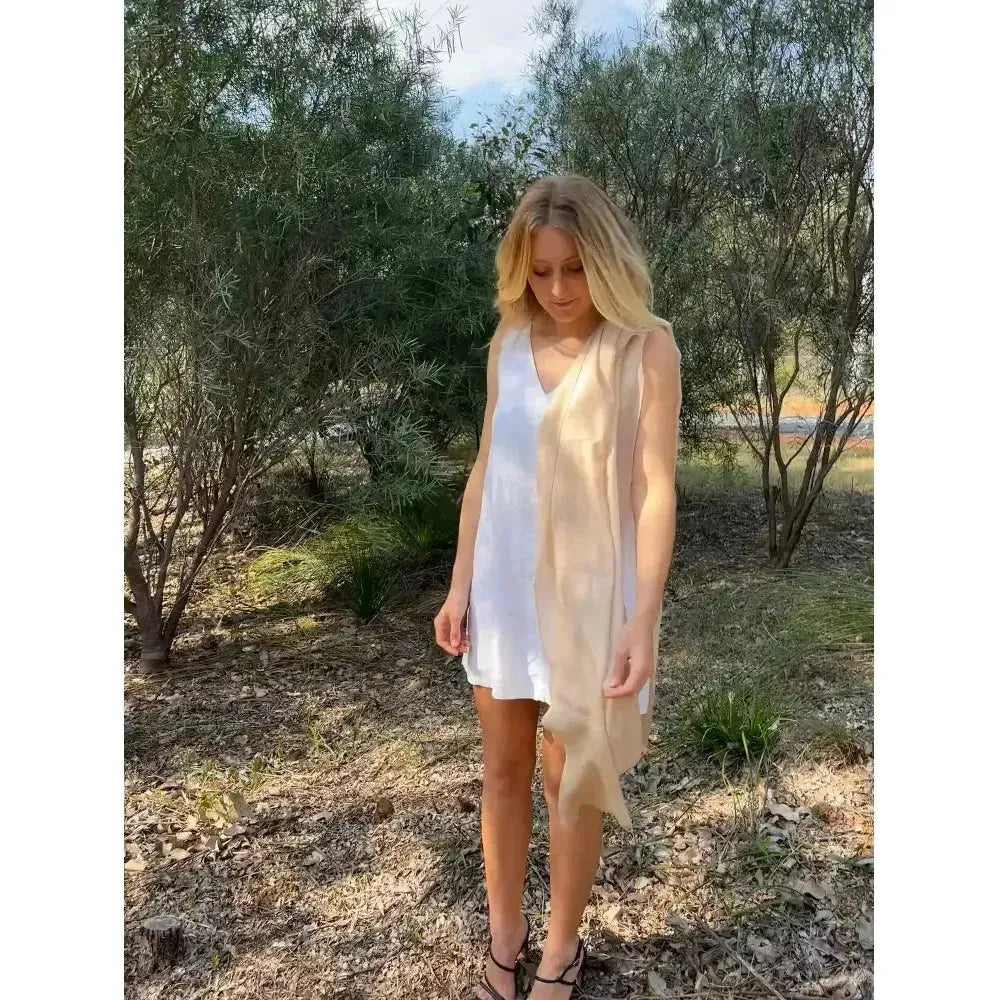

How to Identify High Quality Scarf Fabrics
Table of Contents
- Natural vs Synthetic Scarf Materials: What Actually Differs
- How to Identify High Quality Scarf Fabrics by Touch and Inspection
- Spotting Counterfeits and Mislabelled Fabrics
- Allergy, Skin Sensitivity and Microplastic Shedding
- Best Scarf Fabrics for Winter Warmth and Comfort
- High Quality Scarf Fabrics Compared: A Practical Guide
- How to Care for Cashmere Scarves to Preserve Quality
- Frequently Asked Questions
Last Updated: August 31, 2026
Knowing how to identify high quality scarf fabrics is the difference between an accessory you reach for every day and one that pills after three washes. At Scarves Australia, we work with natural fibres like cashmere, silk, wool and cotton, and we see firsthand how dramatically fabric quality varies. A few simple physical tests, an understanding of fibre content, and a close read of the label will tell you almost everything. Below, we walk through exactly how to assess quality scarf fabrics, from raw fibre identification to burn testing, skin sensitivity, and microplastic shedding.
Natural vs Synthetic Scarf Materials: What Actually Differs
The most fundamental distinction in quality scarf fabrics is whether the fibre originates from a plant or animal source, or whether it was manufactured in a factory. This single difference shapes how a scarf feels, performs, ages, and behaves when washed.
Natural Fibers: Silk, Wool, Cashmere and Cotton
Silk is a continuous protein filament produced by silkworms. Its defining characteristic is a natural sheen that shifts with light, a quality no synthetic can fully replicate. Silk has excellent drape, is naturally breathable, moisture-wicking, and hypoallergenic, making it suitable for sensitive skin.
Wool is a staple-length fibre clipped from sheep. Its crimped structure traps air, providing insulation. Merino wool, sourced from a specific breed, produces a much finer staple than standard wool, which translates directly to softness against the skin. Coarser wool fibres can cause itching, so staple length and micron count matter enormously.
Cashmere comes from the undercoat of cashmere goats. It is lighter and softer than merino wool while offering comparable warmth. The finest cashmere has a micron count below 16, producing a hand-feel that is almost silky. Cashmere is prone to pilling if the fibre is too short, so fibre length is a reliable quality indicator.
Cotton is a plant fibre valued for its breathability and versatility. A tightly woven cotton scarf handles year-round wear well. GSM, or grams per square metre, is the standard measure of cotton fabric weight. A lightweight cotton scarf at 80-100 GSM suits warmer months, while a denser weave at 150+ GSM provides more structure and warmth.
Synthetic and Semi-Synthetic Options: Viscose, Modal and Polyester
Viscose is a semi-synthetic fibre made from regenerated cellulose, usually wood pulp. It mimics the drape and sheen of silk at a lower price point, but it is considerably less durable when wet and tends to wrinkle easily.
Modal is a refined version of viscose, processed to produce a softer, more breathable result with better tensile strength. It resists shrinkage better than standard viscose and feels genuinely soft against the skin.
Polyester is a fully synthetic material with strong durability and wrinkle resistance. It generates static electricity and does not breathe well, which makes it uncomfortable in warm conditions. Polyester also sheds microfibres during washing, a point covered in detail later.
Natural fibres age gracefully and improve with careful washing. Synthetics are easier to care for but rarely feel as luxurious or perform as well across seasons.
How to Identify High Quality Scarf Fabrics by Touch and Inspection
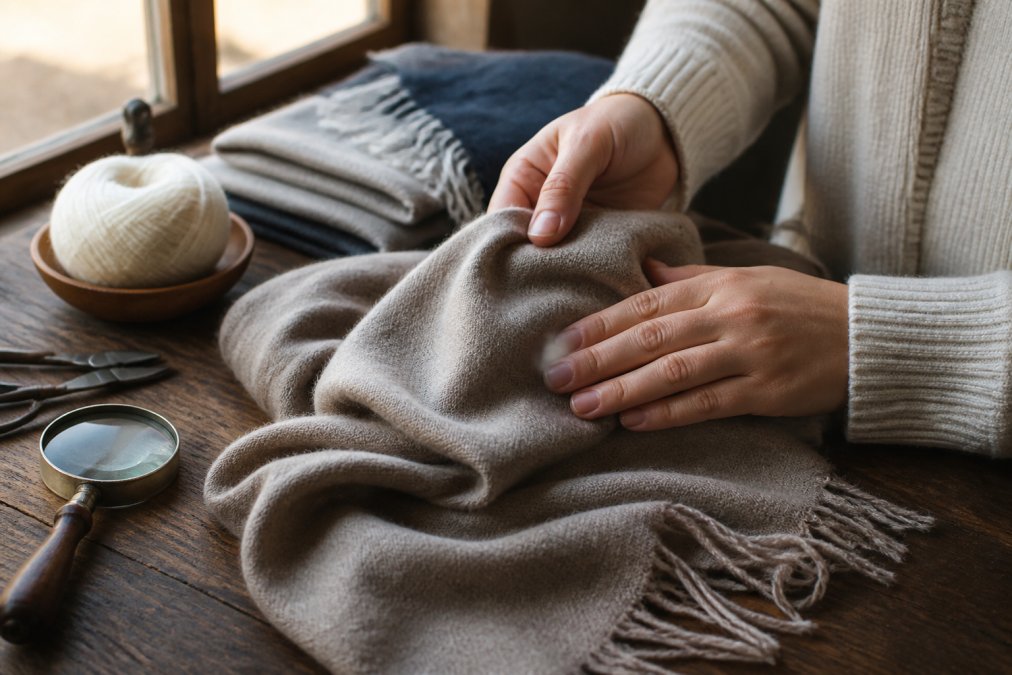
High quality scarf fabrics reveal themselves through physical inspection before you ever check a label. The hands-on approach is the most reliable method available to any buyer.
Hand-Feel, Drape and Weave Density
Hold the fabric loosely in your palm and let it fall. A high-quality scarf made from silk, cashmere, or fine wool will drape smoothly with fluid movement. A stiff or board-like fall suggests a heavy synthetic content or a very dense weave designed to hide low-quality fibres.
Rub the fabric gently between your thumb and forefinger. Quality cashmere feels immediately soft with no scratching sensation. Silk feels cool and almost frictionless. Wool with a short staple length or coarse micron count will feel slightly rough within seconds of contact.
Examine the weave density by holding the fabric up to a light source. A tightly woven fabric with consistent warp and weft threads indicates quality construction. Irregular gaps or loose threads suggest lower production standards.
GSM, Weight and Fabric Blend Labels
GSM is the textile industry's standard measure of fabric weight per square metre. A higher GSM generally indicates a denser, more substantial fabric, but the relationship between GSM and quality depends on the fibre type. A 200 GSM cashmere shawl is luxuriously substantial. A 200 GSM polyester scarf is simply heavy.

Check the care label for fibre content percentages. Regulations under the Australian Competition and Consumer Commission textile labelling requirements require that fibre content be accurately disclosed on textile products sold in Australia. A label stating "100% cashmere" is a legal claim, not a marketing suggestion. If a label is missing or vague, treat that as a warning.
Fabric blends are not inherently inferior. A cashmere-silk blend adds durability and sheen to the softness of cashmere. What matters is that the blend is disclosed accurately and the primary fibre is genuinely present in the stated proportion.
The Burn Test for Fiber Identification
The burn test is the most reliable at-home method for distinguishing natural fibres from synthetics, and it is particularly useful for identifying counterfeit or mislabelled fabrics.
Pull two or three threads from an inconspicuous seam and hold them with metal tweezers over a non-flammable surface. Apply a flame briefly, then observe the burn behaviour, the ash, and the smell.
| Fibre | Burns Like | Smell | Ash |
|---|---|---|---|
| Wool / Cashmere | Slowly, self-extinguishes | Burning hair | Crushable black ash |
| Silk | Slowly, self-extinguishes | Burning hair, slightly sweet | Crushable black ash |
| Cotton | Quickly, continues burning | Burning paper | Soft grey ash |
| Viscose / Modal | Quickly, continues burning | Burning paper | Minimal soft ash |
| Polyester | Melts and shrinks | Chemical, acrid | Hard black bead |
| Nylon | Melts and shrinks | Chemical | Hard tan bead |
Natural protein fibres (wool, cashmere, silk) self-extinguish because they contain nitrogen and sulphur. Synthetic fibres melt. Cellulosic fibres (cotton, viscose) burn cleanly and completely. The burn test will not identify fibre quality within a category, but it will absolutely confirm whether a fabric is what the label claims.
Spotting Counterfeits and Mislabelled Fabrics
Mislabelling of fabrics is common, particularly in the cashmere and silk categories. A scarf sold as "pure cashmere" that costs a fraction of genuine market pricing is almost certainly a blend, often cashmere mixed with wool, viscose, or acrylic. The burn test will reveal synthetic content.

For silk, the ring test is useful beyond burning. Draw the scarf through a finger ring. Genuine silk, with its fine continuous filament structure, passes through easily and gathers smoothly. A viscose or polyester imitation bunches or catches.
The sheen test is also useful. Genuine silk produces a colour-shifting sheen that changes angle with the light. Synthetic sheen is flat and uniform regardless of the viewing angle. This difference is visible to the naked eye in natural daylight.
Examine the selvage edges and any fringe. On a quality natural fibre scarf, fringe threads are the same fibre as the body of the fabric. On a lower-quality piece, fringe is sometimes attached separately using a different, cheaper material.
According to the CHOICE consumer textile guide, mislabelling of fibre content in textiles is one of the more common product misrepresentation issues encountered by Australian consumers. Buying from retailers who disclose full fibre content, country of origin, and care instructions is the most straightforward protection.
Allergy, Skin Sensitivity and Microplastic Shedding
Fabric choice has real consequences for skin health. Wool fibres above approximately 30 microns in diameter cause mechanical irritation on sensitive skin, which is often misidentified as an allergy. True wool allergy is rare. The solution is finer fibre, not avoidance of wool altogether. Merino and cashmere are generally well-tolerated by people who react to standard wool because of their smaller micron count.
Silk is the most hypoallergenic natural fibre available. It contains sericin, a protein that some individuals react to, but degummed silk has this largely removed. If you have known protein sensitivities, look for products that specify degummed or washed silk.
Synthetic fibres do not cause allergic reactions in the traditional sense, but they generate static electricity that attracts dust and irritants. For people with contact dermatitis or reactive skin, this can be a practical problem even if the fibre itself is inert.
Microplastic shedding is a separate but important consideration. Every time a polyester, nylon, or acrylic scarf is washed, it releases microscopic plastic fibres into the water system. As documented in CSIRO research on microplastic pollution from textiles, synthetic textiles are a significant source of microplastic contamination in waterways. Choosing natural fibre scarves reduces this environmental impact directly. If you own synthetic scarves, washing them in a microfibre-catching laundry bag significantly reduces shedding.
Best Scarf Fabrics for Winter Warmth and Comfort
For cold-weather wear, cashmere sits at the top, followed by merino wool, then standard wool blends, and finally synthetic alternatives.
Cashmere's warmth-to-weight ratio is exceptional. A pure cashmere shawl provides substantial insulation while remaining light enough to fold into a handbag. This is why cashmere is the standard for luxury winter accessories. The Scarves Australia collection includes pure cashmere shawls in deep green, pearl white, golden sand and deep red, each crafted for genuine warmth without bulk.

Merino wool is the practical alternative for everyday winter wear. Its natural crimp provides excellent thermal regulation, and finer grades sit comfortably against the neck and face without irritation. It also handles moisture better than cashmere, wicking perspiration away from the skin during active use.
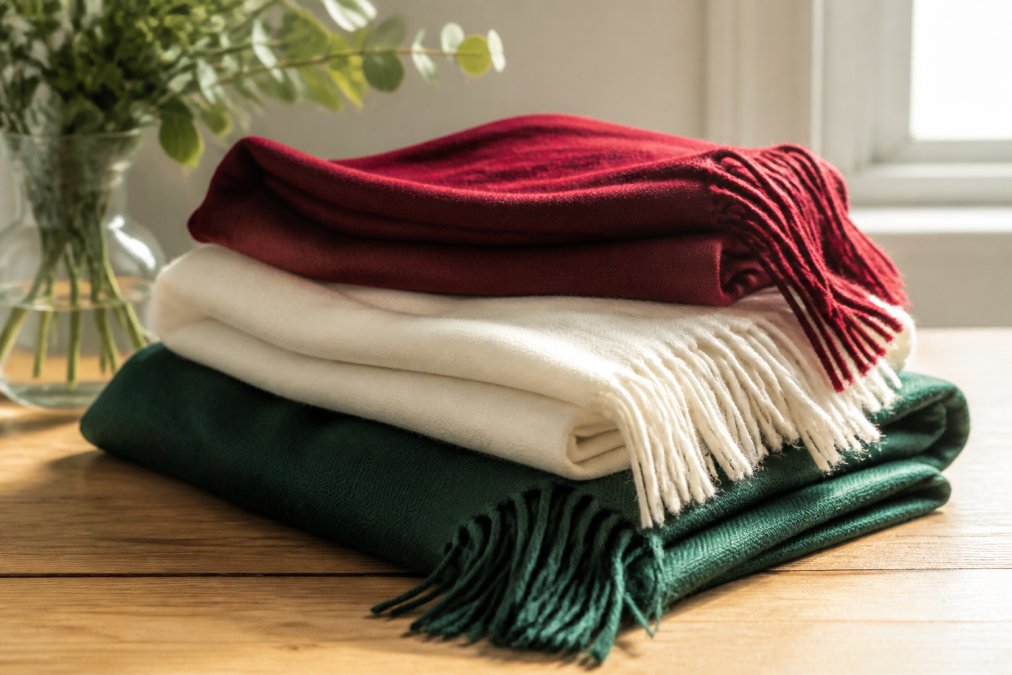
For anyone attending a formal winter event, a pure cashmere shawl offers the combination of warmth, elegance, and versatility that no synthetic alternative matches. The Pure Cashmere Shawl in Golden Sand and the Luxury Pure Cashmere Shawl in Pearl White are both designed with this dual purpose in mind.
High Quality Scarf Fabrics Compared: A Practical Guide
The table below summarises the key characteristics of the most common quality scarf fabrics to help you match fabric to use case.
| Fabric | Warmth | Breathability | Drape | Durability | Best For |
|---|---|---|---|---|---|
| Pure Cashmere | Excellent | Good | Excellent | Moderate | Formal, winter, gifting |
| Merino Wool | Very Good | Good | Good | Good | Everyday winter wear |
| Silk | Low | Excellent | Excellent | Moderate | Formal, warm seasons |
| Cotton | Low | Excellent | Moderate | Very Good | Year-round, casual |
| Viscose / Modal | Low | Good | Very Good | Moderate | Transitional seasons |
| Polyester | Moderate | Poor | Moderate | Very Good | Budget, high-wash use |
| Wool Blend | Good | Moderate | Good | Good | Everyday, active use |
The right fabric depends on your specific need. For gift-giving or formal occasions, cashmere and silk are the clear choices. For everyday versatility, merino wool and cotton deliver reliable performance. According to Textile Exchange's global fibre market overview, consumer demand for natural and responsibly sourced fibres has grown consistently, reflecting both quality preferences and environmental awareness.
How to Care for Cashmere Scarves to Preserve Quality
Cashmere is one of the best scarf fabrics available, but it requires specific care to maintain its quality over time. Incorrect washing is the single most common cause of cashmere deterioration.
Hand washing is the preferred method. Use cool water (below 30°C) and a small amount of gentle wool wash or baby shampoo. Never use enzyme-based detergents, which break down protein fibres. Submerge the scarf, squeeze gently, and avoid any wringing or twisting motion. Rinse in water of the same temperature to prevent thermal shock, which causes felting.
To dry, lay the scarf flat on a clean, dry towel and reshape it gently to its original dimensions. Never hang cashmere to dry, as the weight of wet fabric will stretch the fibres permanently. Keep it away from direct sunlight and heat sources.
Pilling is a normal characteristic of cashmere, particularly in areas of friction. It does not indicate poor quality; it indicates that the fibre is genuine. Remove pills with a cashmere comb or a fabric shaver on the lowest setting.
Store cashmere folded, never on a hanger. Moths are attracted to natural protein fibres, so cedar blocks or lavender sachets in your storage drawer are practical preventive measures. For long-term storage, a breathable cotton bag provides protection without trapping moisture.
The Off White Luxury Stole in Pure Cashmere Premium Grade and the Premium Shawl in Deep Red Pure Cashmere are both designed to reward this kind of careful maintenance with years of use.
For a comprehensive reference on textile care symbols and their meanings, the CHOICE guide to laundry care symbols is a reliable starting point for understanding care labels accurately.
Identifying quality scarf fabrics takes practice, but the physical tests described here, touch assessment, burn testing, drape evaluation, and label scrutiny, give any buyer a reliable toolkit. The Scarves Australia collection is built around natural fibres, accurate labelling, and the kind of quality that holds up well beyond the first season. Browse the full range of pure cashmere shawls and wraps and find the piece that suits your wardrobe, your occasion, and your standard for what a scarf should actually feel like.
Frequently Asked Questions
How can I tell if a scarf is good quality?
Rub the fabric between your fingers, quality scarf fabrics feel smooth and consistent, with no rough patches or loose threads. Check the weave density by holding the scarf up to light; a tight, even warp and weft signals better construction. Look at the care label for genuine fiber content like 100% cashmere or pure silk. Pilling resistance, good drape, and even sheen are also reliable signs that the fabric will hold up over time and regular wear.
How do I distinguish between wool and synthetic blends?
The burn test is the most reliable method at home. Wool burns slowly, smells like singed hair, and leaves a crushable ash. Synthetic fibres like polyester melt rather than burn, produce black smoke, and leave a hard plastic bead. On the fabric itself, wool has a natural crimp and slight texture under close inspection, while synthetics feel uniformly smooth and generate static electricity more readily. Always check the care label first, a genuine wool or merino wool scarf will state the fiber content clearly.
Are 100% polyester scarves good quality?
Polyester scarves are durable, wrinkle-resistant, and easy to care for, which makes them practical for everyday use. However, they lack the breathability, thermal regulation, and hand-feel of natural fibers like cashmere, silk or merino wool. Polyester also sheds microfibres during washing, contributing to microplastic pollution. For a scarf you plan to wear regularly or give as a gift, natural fiber options deliver noticeably better softness, drape and longevity, though they do require more careful care.
What is GSM and does fabric weight indicate scarf quality?
GSM stands for grams per square meter and measures how dense a fabric is. A higher GSM generally means a heavier, more substantial scarf with better insulation, ideal for winter. However, GSM alone does not confirm quality; a lightweight silk scarf at a lower GSM can still be exceptionally fine. The key is matching GSM to the intended use: lightweight fabrics (under 100 GSM) suit warm seasons, while winter scarves in cashmere or wool typically sit above 200 GSM for meaningful warmth.
How to care for cashmere scarves to keep them soft?
Hand-wash cashmere scarves in cool water with a gentle, pH-neutral detergent, never use hot water or a standard machine cycle, as heat causes the fibres to felt and shrink. Gently press out excess water without wringing, then lay the scarf flat on a clean towel to dry away from direct sunlight or heat. Store folded, not hung, to preserve the shape. Proper care keeps cashmere soft and extends its lifespan considerably, protecting your investment in a quality accessory.
Which scarf fabric is best for people with sensitive skin?
Silk and fine merino wool are the top choices for sensitive skin. Silk is naturally hypoallergenic with a smooth filament structure that does not irritate. Fine merino wool has a staple length and fibre diameter that sits below the threshold most people find scratchy. Cashmere is similarly gentle. Avoid coarse wool blends and synthetic fabrics if you experience contact sensitivity, as these can trap heat and cause discomfort. Modal and viscose are softer synthetic-adjacent options if natural fibres are outside your budget.